
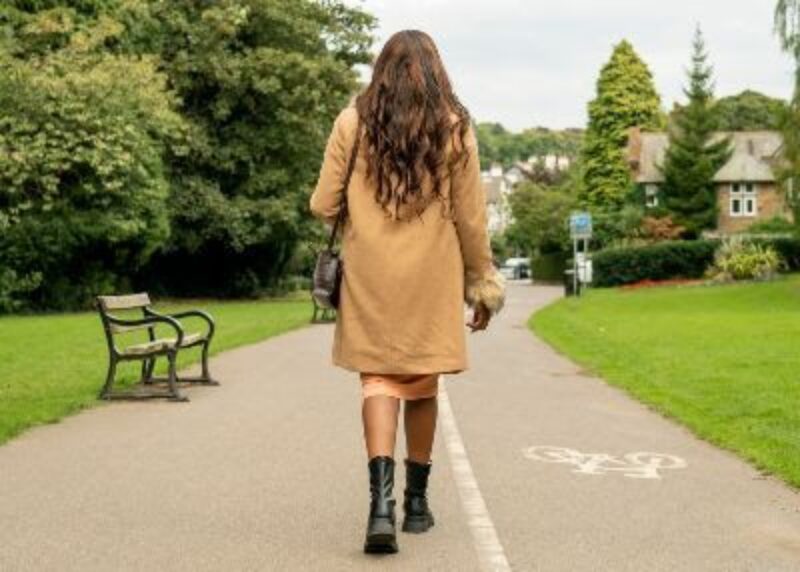
£4.5 billion for safer walking and cycling routes |
|
The new cycling and walking investment strategy sets a national target for people to hit the pavement or pedals for 55% of short trips in towns, and for 60% of children aged 5 to 16 to travel actively to school, by 2035. Transport Secretary, Heidi Alexander, said: “Too many people would like to walk, wheel or cycle more often but don’t feel they have safe and convenient options to do so. Our new cycling and walking investment strategy sets out how we will change that, with ambitious targets, record levels of investment and a clear plan to make active travel a practical choice for millions more journeys. This is about creating healthier communities, helping households keep more money in their pockets and building a transport network that works better for everyone. |

Speeding up cancer diagnosis |
|
Millions of patients will receive faster diagnoses thanks to almost £30 million of government funding in AI across the NHS. This funding will expand proven AI technology to every NHS trust in England, marking the latest step in the government’s drive to modernise the NHS and reduce waiting times. AI-powered X-ray tools that act as a virtual ‘second pair of eyes’ for radiologists will be rolled out to all NHS trusts in England by 2029, backed by £20 million of government funding – meaning faster diagnoses and quicker treatment for patients. |

Thousands supported into work |
|
Thousands of disabled people and those with health conditions and more complex barriers have moved closer to work following support from the Government’s landmark Supported Employment scheme. 14,000 disabled people and those with health conditions are already receiving personalised, specialist support through Connect to Work, and this is set to grow significantly as the programme expands. |

Record mental health support in schools |
|
Nearly six million children and young people can now access mental health support in their school or college – giving them the tools and resilience they need to stay in education and thrive as adults. This is around 800,000 more pupils than last year, with support teams now working in almost 11,800 schools and colleges across England. These teams are already making a clear difference. Nine in ten schools and colleges say they are improving children’s mental health and wellbeing, while seven in ten report improved attendance — helping keep pupils in school and on track for their futures. |
New natural history GCSE |
|
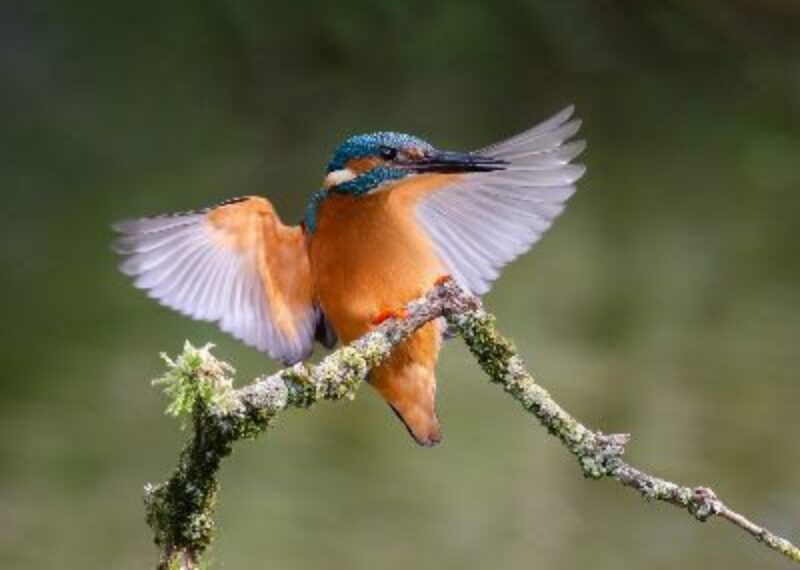
The new qualification will see pupils’ study three core areas: habitats and wildlife in the UK, human influence on the natural world, and will include the study of climate change, biodiversity loss and conservation. It will also include time outside of the classroom for fieldwork giving them an opportunity to get their hands dirty and apply their knowledge and skills by studying real habitats in their local area. The government is seeking views from pupils, parents, teachers and the green industry, as it launches a 12-week consultation on the proposed subject content. It comes as jobs in sustainable sectors and green careers continue to rise in demand, with around 900 UK businesses in nature-related sectors raising £2.8 billion in 2025, supporting 21,000 jobs. |